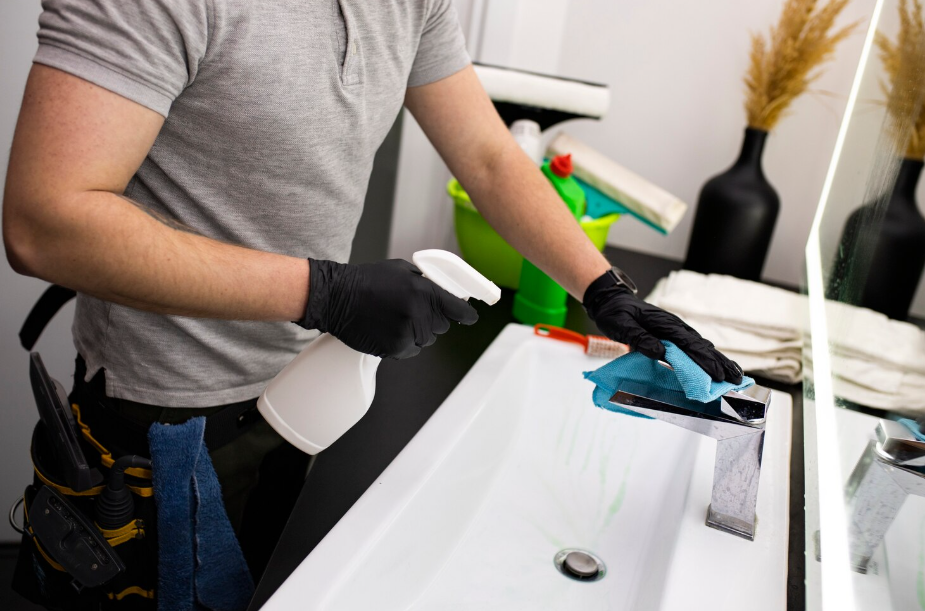
Deep cleaning a bathroom can feel like one of those chores you keep pushing back. It’s not hard, just layered, and each step builds on the last. This post walks through how professionals approach the job and why they do things in a certain order, kind of like a routine. The habits often mirror what you’d expect from a detailed cleaning service once you slow down and notice the process.
Some parts matter more than others, though it all connects. Skipping prep usually makes the rest take longer. Taking a steady approach helps you avoid redoing work. That’s usually where people get frustrated.
Essential Cleaning Supplies
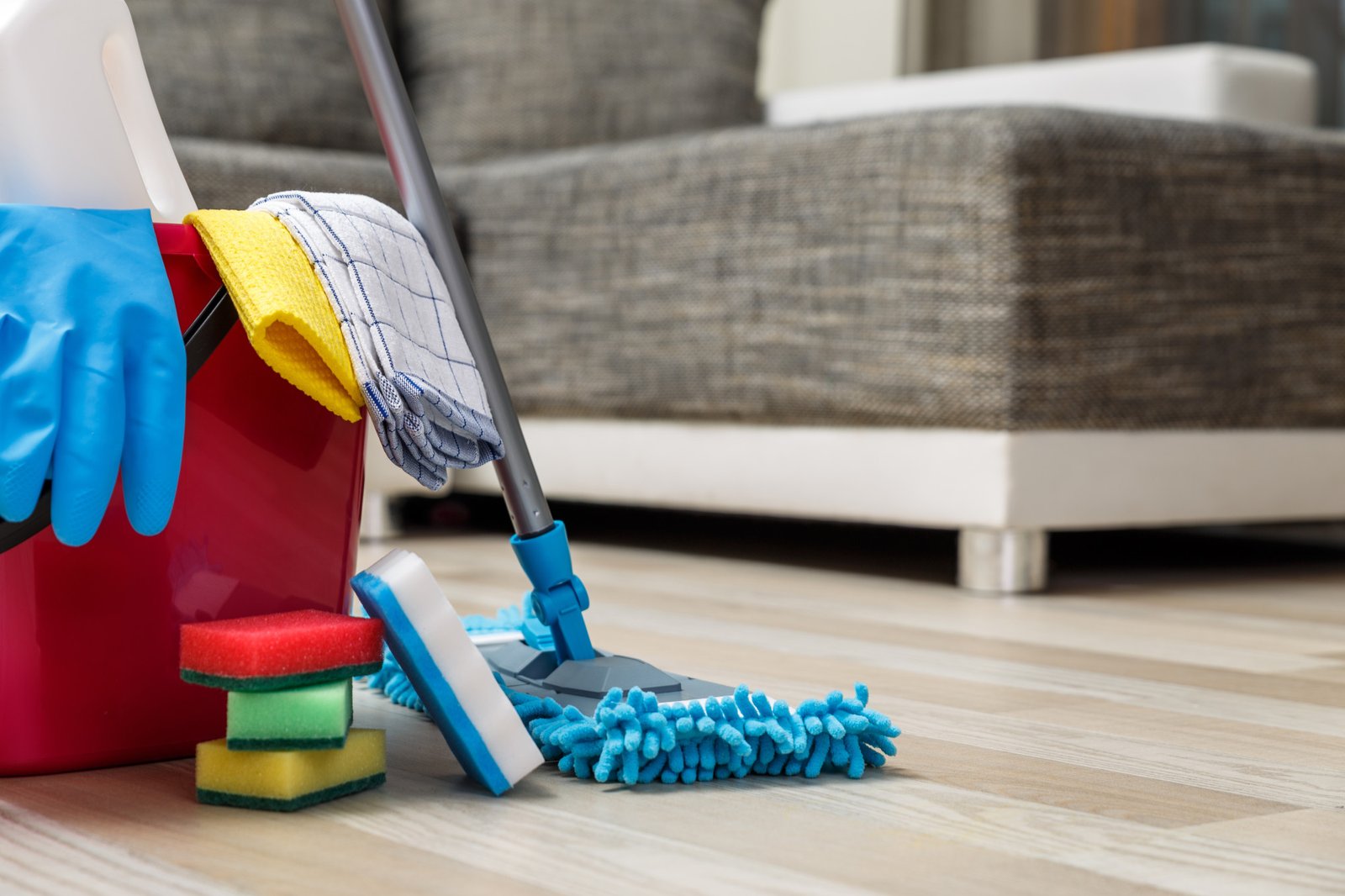
Before touching anything, it helps to gather what you’ll need. Gloves protect your hands, and microfiber cloths handle most surfaces without leaving residue. A general cleaner works for counters and sinks, while a scrub brush handles tile and grout. Toilet cleaner and a toilet brush stay separate for obvious reasons.
Having everything nearby keeps the pace steady. You won’t stop midway to search under the sink. That alone makes the job feel lighter. Preparation saves time, even if it feels slow at first.
Pre-Cleaning Preparation
Start by clearing the space so surfaces are exposed. Toiletries, towels, mats, all of it comes out, even if only temporarily. This lets you see where the buildup actually sits. It’s usually worse around sinks and behind toilets.
Ventilation matters more than people think. Open a window or run the fan so the air keeps moving. Cleaning smells can linger, and fresh air helps. Planning your order, even loosely, keeps you from bouncing around.
Tackling Grime and Stains
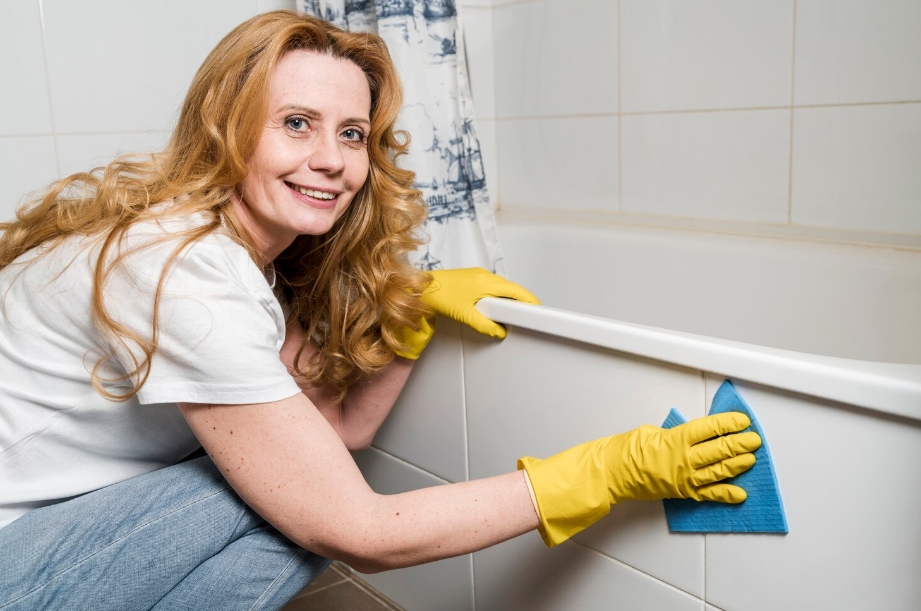
Grime doesn’t spread evenly, so focus where water and soap meet. Showers, tub edges, and sink rims usually need extra attention. Apply cleaner and let it sit for a bit, just enough to soften buildup. Scrubbing works better when you wait.
Use steady pressure instead of rushing. Harsh scrubbing can damage finishes. Sometimes repeating a spot works better than forcing it. Patience helps more than strength here.
Scrubbing and Disinfecting Surfaces
Once dirt loosens, scrubbing makes sense. Circular motions help lift residue without pushing it around. Corners and seams deserve extra passes since buildup hides there. This is where time adds up.
After scrubbing, disinfecting matters. Let disinfectants sit for the time listed on the label. Wiping too soon reduces effectiveness. Clean does not always mean sanitized.
Polishing Fixtures and Mirrors
Polishing comes after everything else is clean. Fixtures shine best when no residue remains. Use a soft cloth and light pressure to avoid streaks. Mirrors usually need a second wipe to catch missed spots.
This step changes how the room feels. Even a clean bathroom looks dull without shine. It’s a small effort with a noticeable result. People tend to notice this part first.
Finishing Touches and Freshening Up
Putting things back matters as much as taking them out. Fresh towels and neatly placed items make the room feel finished. A light scent helps, but keep it subtle. Too much can feel heavy.
Do a final walk-through and look at the space as a whole. Straighten anything slightly off. This last check pulls everything together. The bathroom feels calm again, which is the goal.
Related Topics: